// CATEGORY
All Rental & Support
Show-ready hardware, venue-grade connectivity, and engineers who stay until the last attendee leaves.
Explore
Custom-built IoT hardware — smart badges, sensors, RFID/NFC systems, and connected installations — that make venues measurable and experiences interactive.
Off-the-shelf event tech ends where your idea begins. ZebIQ designs and builds custom IoT devices for events: smart badges that exchange contacts on a handshake, RFID/NFC touchpoints that gate experiences and track engagement, environmental and footfall sensors that feed live dashboards, and connected installations where physical objects respond to attendees in real time.
We handle everything from concept to venue operations:
Pilot deployments validate everything at small scale before we manufacture event quantities. The payoff is twofold: attendees get tangible, memorable interactions; organisers get ground truth on dwell times, journey paths, and engagement per zone—data that apps alone can never capture.
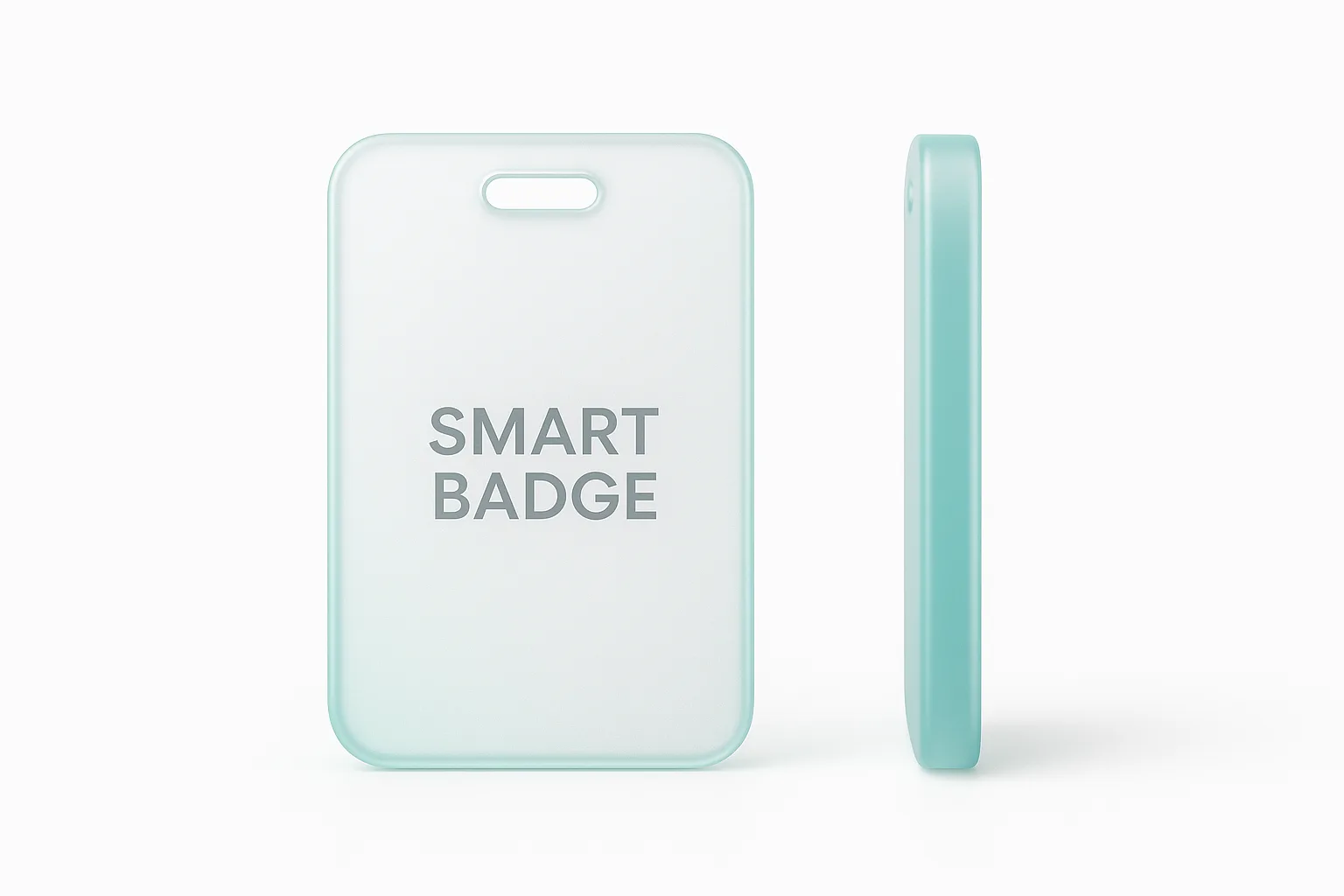
NFC/BLE badges enabling tap-to-connect networking, session access, gamification, and presence analytics. Every handshake, every tap, every zone visit becomes measurable data—while attendees enjoy frictionless contact exchange and game-like engagement loops.
Tap stations for access control, content unlocks, voting, treasure hunts, and lead capture across the venue.
People-counting, dwell-time, and air-quality sensors feeding live operations dashboards.
Physical builds—walls, sculptures, products—that light up, move, or respond to attendee presence and actions.
Devices designed and tested for crowded-RF conditions, battery life across full event days, and rough handling.
Translate the experience or data goal into a technical concept, validating feasibility, cost, and timeline before commitment.
Working prototypes built and tested in realistic conditions—including a small-scale live pilot wherever timelines allow.
Event-quantity manufacturing, firmware finalisation, and integration with your registration, app, and analytics systems.
On-venue installation, network provisioning, and technical staffing through the event, with data flowing to live dashboards.
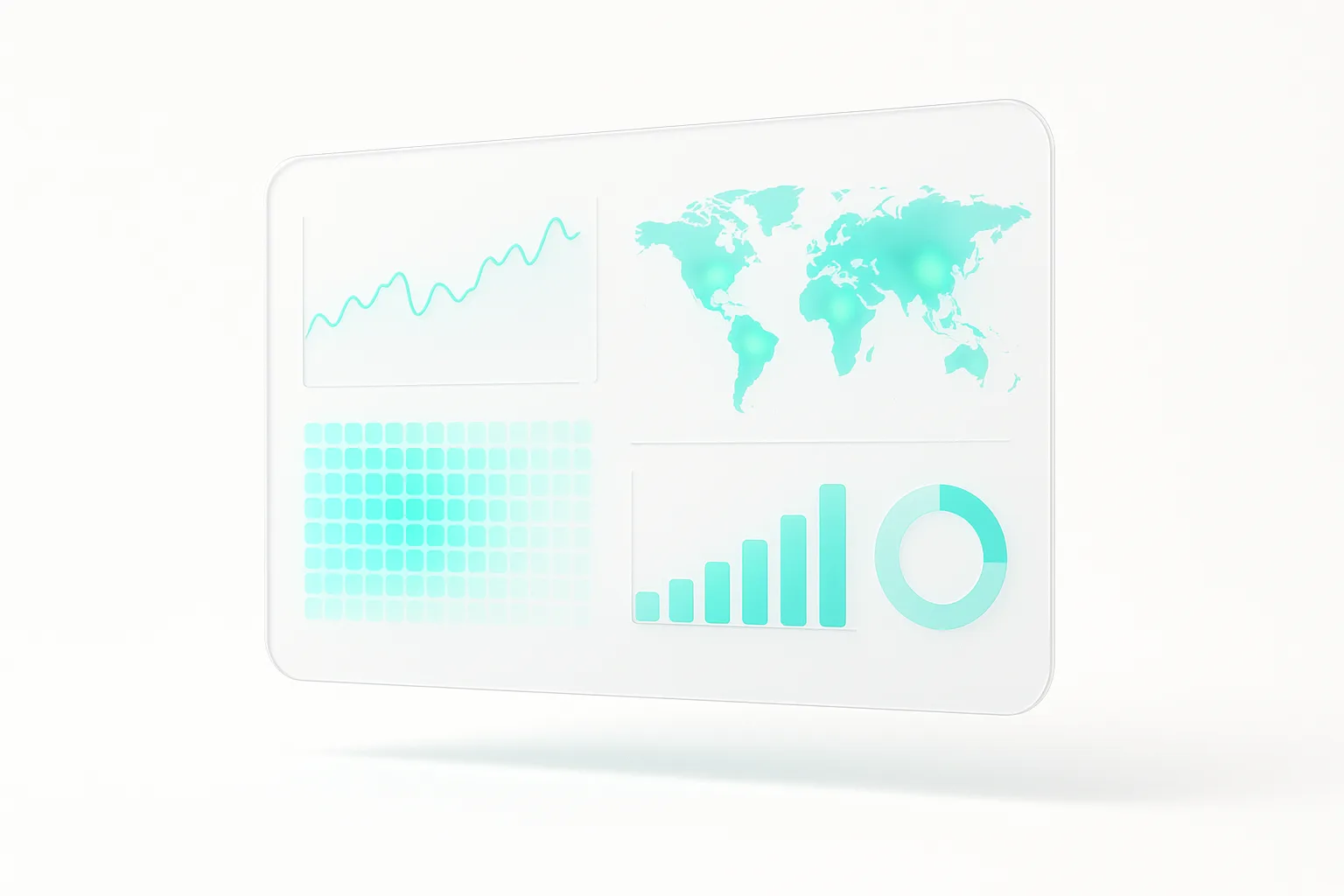
Ground truth beats guesswork. When every attendee interaction is measurable and every zone has eyes, you stop wondering what happened and start knowing it—and adapting in real time.
Simple deployments built on proven modules—RFID touchpoints, sensor networks—can be event-ready in 4–6 weeks. Fully custom hardware like bespoke smart badges typically needs 8–14 weeks including prototyping and a pilot. We always confirm feasibility against your event date before you commit.
Yes, by design: tracking is disclosed at registration, badges carry tokens rather than personal data, analytics are aggregated by default, and retention follows an agreed policy aligned with DPDP/GDPR. Attendees who opt out get standard credentials with no tracking element.
Not when planned together—which is why we engineer devices and networks as one system. We select protocols and channels to coexist with high-density Wi-Fi (BLE and LoRaWAN sit outside the contested bands or use minimal airtime), and validate the full deployment in load testing before doors open.
We build on proven, open standards: ESP32 and ARM Cortex microcontrollers, BLE for short-range wearables, LoRaWAN for long-range low-power deployments, RFID/NFC for touchpoints, and Wi-Fi bridges where needed. The choice depends on your venue, power budget, and data-flow requirements.
Let's talk about your venue, your attendees, and the data or experience you want to unlock.
// CONTINUE EXPLORING
Up to the category, across to complementary services, and into the engine-room notes.