
// CATEGORY
All Cloud & Streaming
Broadcast-grade streaming and cloud infrastructure that never blinks under load.
Explore
Multi-CDN architecture, edge caching, and delivery optimisation that make your sites, apps, and video fast everywhere your audience is.
Speed is geography. A platform hosted in Mumbai feels instant in Jaipur and sluggish in São Paulo unless content is served from the edge. ZebIQ designs and operates CDN architectures that put your websites, applications, APIs, and video within milliseconds of every user—and keep them up when traffic spikes a hundredfold during a ticket release or live broadcast.
Most organisations treat CDN as a checkbox—single provider, default settings, little visibility into what's actually cached. The result: high latency in secondary markets, wasted origin bandwidth, and no failover when a provider's region degrades.
We work across the major providers—Cloudflare, AWS CloudFront, Akamai, Fastly—and frequently deploy multi-CDN strategies with real-time switching, so no single provider's regional issue becomes your outage. The edge is also your security perimeter: DDoS absorption, WAF rules, bot management, and TLS termination stop attacks thousands of kilometres from your origin servers.
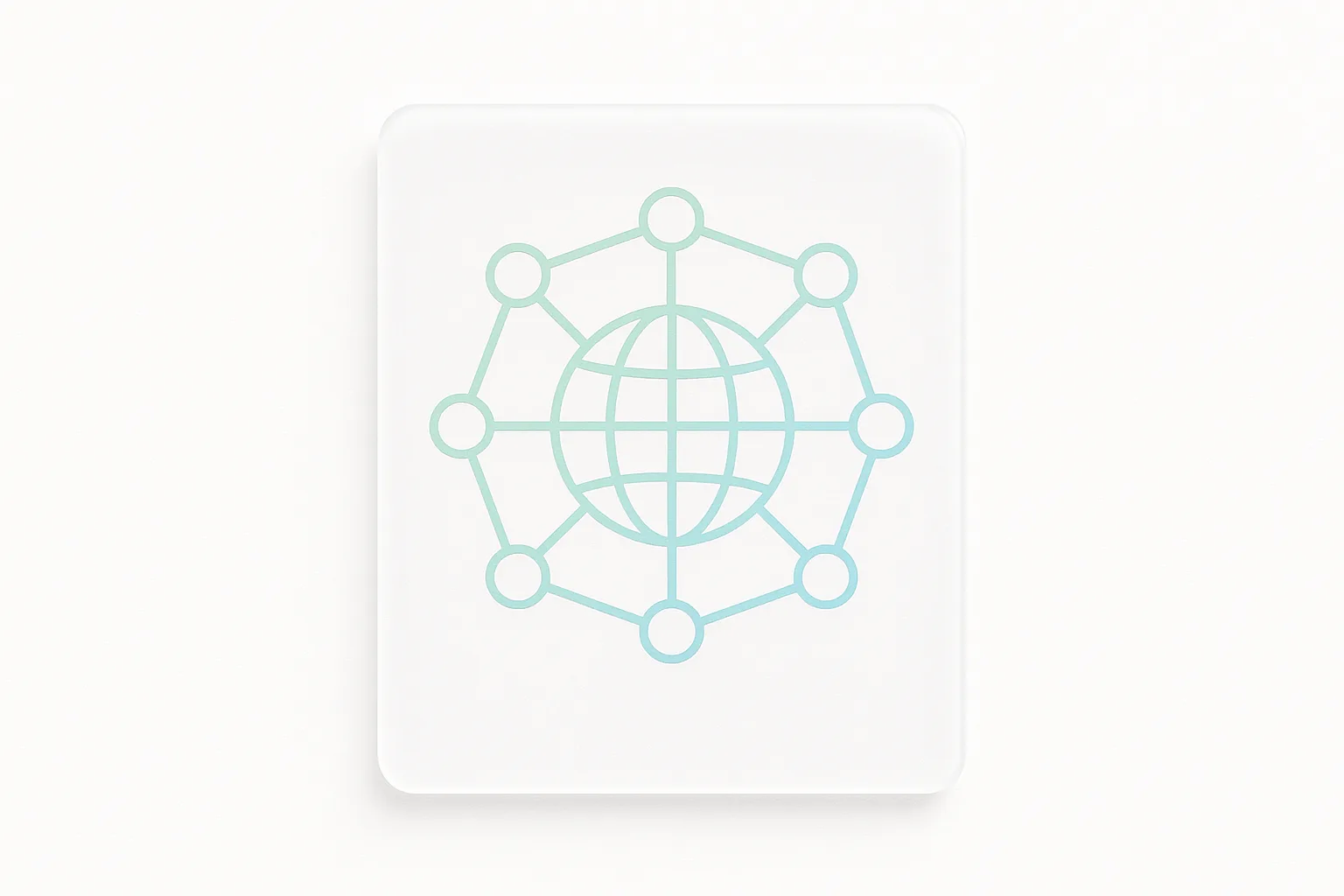
Traffic distributed across providers with performance-based routing and automatic failover when a provider degrades regionally.
Cache-key design, TTL policy, and instant purge workflows that maximise hit ratios without serving stale critical content.
On-the-fly image resizing, modern format conversion (WebP/AVIF), compression, and HTTP/3 delivery.
Segment caching, origin shielding, and pre-warming engineered for high-concurrency live and VOD streaming.
DDoS mitigation, WAF, bot management, and rate limiting enforced at the edge before traffic reaches your origin.
Performance measured from actual user sessions by geography and network, not just synthetic tests.
We baseline your current performance by geography, analyse traffic patterns, and identify where latency and cost are concentrated.
CDN topology, cache strategy, and provider mix designed against your audience map, budget, and risk tolerance.
Staged DNS migration with origin shielding and rollback paths, validated region by region before full cutover.
Ongoing hit-ratio optimisation, cost monitoring, and pre-event capacity planning for your traffic peaks.
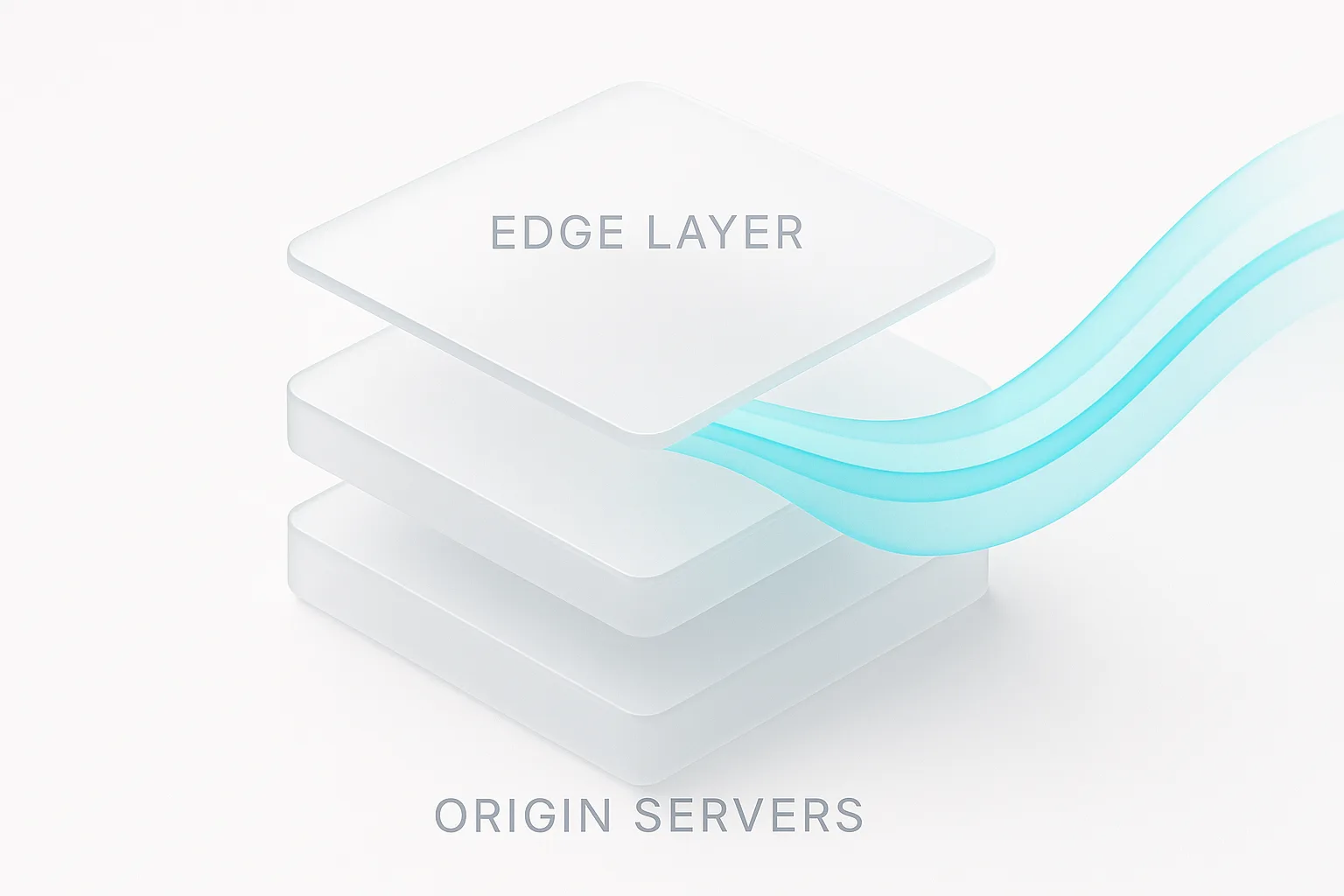
Flash-traffic events—ticket releases, product drops, live broadcasts—demand infrastructure that absorbs spikes without origin meltdown. A well-architected CDN with origin shielding and intelligent cache purge can absorb a hundredfold surge at the edge, keeping your core systems healthy and your users' experience fast.
We pre-stage capacity, test failover paths, and monitor in real time so your team can focus on the event itself.
Most CDN deployments we audit cache far less than they could: low hit ratios, missing origin shields, and no purge strategy. A typical engagement lifts cache hit ratio significantly, which directly cuts origin load, latency, and bandwidth cost—measured before and after, not asserted.
For high-stakes properties—live events, revenue-critical commerce—yes: regional provider incidents are routine, and switching is your insurance. For smaller properties, a single well-configured provider is usually the right call, and we will say so.
Positively, when configured properly: the edge absorbs DDoS attacks, WAF rules filter exploits before they reach you, and your origin IPs can be hidden entirely. We lock origins to accept traffic only from the CDN, closing the common bypass hole.
Not when optimised. Proper cache strategy and origin shielding reduce origin bandwidth significantly; smart provider selection uses cheaper tiers in cost-sensitive regions. Most clients see lower total cost despite multi-provider setup.
The difference between a CDN deployment and a CDN architecture is strategy, monitoring, and the willingness to change cache logic as your product and audience evolve. That's where performance—and cost savings—actually compound.
Send us your geography, current latency data, and peak-traffic profile. We'll baseline your performance and show you where the wins are—no obligation.
// CONTINUE EXPLORING
Up to the category, across to complementary services, and into the engine-room notes.

