

// CASE STUDY
Multilingual Video Conferencing Platform | Real-Time Interpretation
3 min read
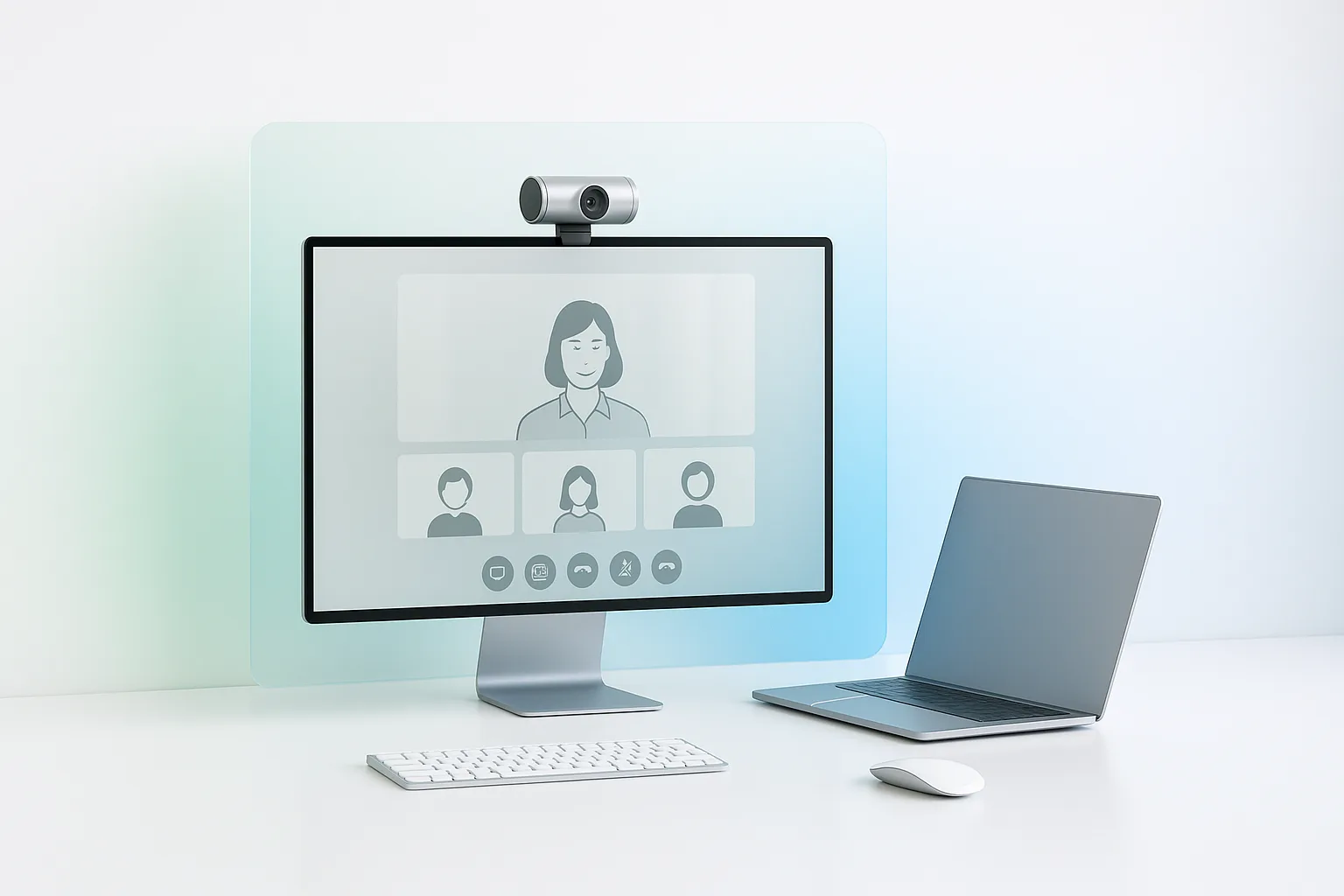
Language barriers shouldn't limit global communication. Our Multilingual Video Conferencing and Conference Platform enables organizations to host truly inclusive events where participants communicate and engage in their preferred language through real-time interpretation and seamless language selection—breaking down barriers for businesses, healthcare, education, and government worldwide.
The Challenge We Solved
Traditional video conferencing connects people across borders, but it doesn't eliminate language differences. Organizations hosting global meetings face critical gaps:
- Diverse participants speak different languages across regions
- Misunderstandings compromise important discussions and knowledge transfer
- Operational complexity requires separate translator teams for each language
- Lower engagement when language support is unavailable or poorly implemented
- Reduced reach to international audiences due to language constraints
We built a platform that makes real-time multilingual participation the default, not an afterthought.
How It Works
Three Core Components
Video Conferencing Engine - Live video and audio capture - Screen sharing and presentation tools - Participant management and permissions
Real-Time Interpretation System - Dedicated audio feed for interpreters - Live translation into multiple languages - Synchronized language channels published in real time
Conference Management System - Event scheduling and speaker profiles - Registration and participant onboarding - Notifications, analytics, and post-event reporting
The Architecture
One video stream + multiple synchronized audio channels. Participants join and select their preferred language instantly. No technical complexity—just clear, accessible communication.
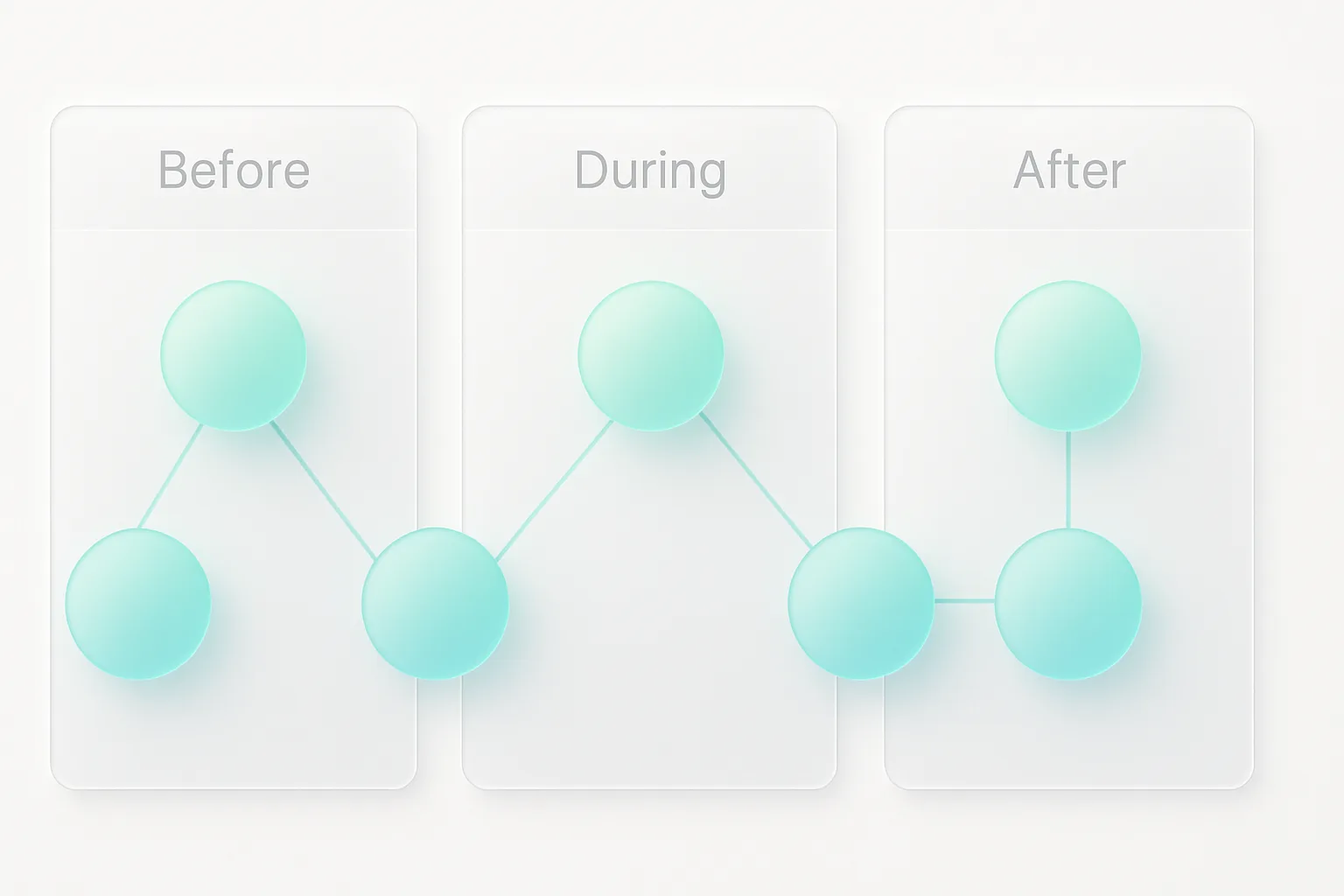
Event Workflow: Before, During & After
Before the Event - Complete event setup with speaker and interpreter onboarding - Session scheduling and technical rehearsals
During the Event 1. Speaker joins and begins presentation 2. Video and original audio are captured 3. Interpreters receive the live audio feed 4. Real-time translation is performed 5. Language channels are delivered to all participants 6. Users seamlessly switch languages as needed
After the Event - Multilingual session recordings stored securely - Analytics and engagement reports generated - Recordings available in all original languages
Built for Global Organizations
Corporate Meetings
Enable global employee communication and cross-border leadership discussions without language friction.
Business Conferences
Host international conferences with multilingual attendees. Reach wider audiences and improve engagement across regions.
Medical & Healthcare
Facilitate knowledge sharing among healthcare professionals worldwide with accurate, real-time medical interpretation.
Educational Webinars
Deliver training and educational content to diverse learner populations in their native languages.
Government & Public Sector
Enable citizen engagement and public outreach initiatives in multiple languages at scale.
What Organizations Achieve
Language should amplify communication, not restrict it. When participants can engage in their native language, understanding deepens, engagement increases, and global collaboration becomes truly inclusive.
Common Questions
How many languages can the platform support simultaneously?
The platform is designed to handle multiple synchronized audio channels. The number of languages you can offer depends on your interpreter resources and event complexity. Common setups range from 2–6 languages, with larger international summits supporting more.
Do participants need special software to access different languages?
No. Participants join the event normally and select their preferred language from a simple dropdown during the session. All audio channels are delivered through the same unified interface.
Can recordings be multilingual?
Yes. Post-event, recordings are generated for each language channel, allowing attendees to review sessions in their preferred language on demand.
What if we need interpretation for a language not pre-scheduled?
Pre-planning and technical rehearsals ensure all required languages are prepared. Our requirement analysis phase identifies all needed languages before the event begins.
Is the platform suitable for hybrid events?
Yes. The platform seamlessly handles in-person and virtual attendees, with all groups accessing the same multilingual audio channels and video stream.
Ready to Host Truly Global Events?
Let's discuss how our Multilingual Video Conferencing Platform can make your next meeting, webinar, or conference accessible to the entire world. Connect Globally. Communicate Clearly. Understand Everyone.
